

If an employee tests positive on a breathalyser and you want to act on that result, your choice of device matters as much as your policy. A breathalyser that is not built to the right specification cannot support disciplinary action, and using one exposes your business to unfair dismissal risk and WHS liability. Under the model Work Health and Safety laws, employers have a primary duty to keep the workplace safe. Alcohol testing is one tool for meeting that duty, but only if the testing is done with equipment that meets the relevant standard and produces results that can withstand scrutiny. Before selecting any workplace alcohol testing device, you need to make three decisions: which sensor technology, which form factor, and whether the device carries the correct Australian Standard certification.
The Two Sensor Technologies (and Why the Difference Matters)
Not all breathalysers are built the same. The sensor inside the device determines how accurate it is, and whether the result it produces will hold up if challenged.
Fuel Cell Breathalysers
Fuel cell devices work through an electrochemical reaction. When a breath sample contacts a platinum electrode, it produces an electrical current proportional to the alcohol concentration, which the device converts to a BAC reading.
This technology is the closest to police-grade performance available for commercial use. Results are consistent across repeated tests, accurate at low BAC levels and far less susceptible to false positives from environmental factors. Mining operators, transport companies and construction firms that enforce zero-tolerance policies rely on fuel cell devices precisely because the readings are repeatable and defensible. If your workplace could face a disciplinary proceeding or a Fair Work Commission challenge, a fuel cell device is the only appropriate choice.
Semiconductor Breathalysers
Semiconductor devices measure how alcohol molecules change the electrical resistance of a heated metal-oxide sensor. They are smaller, lighter and cheaper than fuel cell units.
The tradeoff is accuracy. Semiconductor sensors are affected by ketones, high humidity and temperature fluctuations, which raises the risk of false positives. Results from a semiconductor device cannot support a formal disciplinary outcome. These tools are appropriate for personal welfare screening only, not for any formal workplace testing program.
Handheld vs Wall-Mounted: Choosing the Right Form Factor
Once you have confirmed that a fuel cell sensor is right for your program, the next decision is form factor. Each suits a different operational need.
Handheld Devices
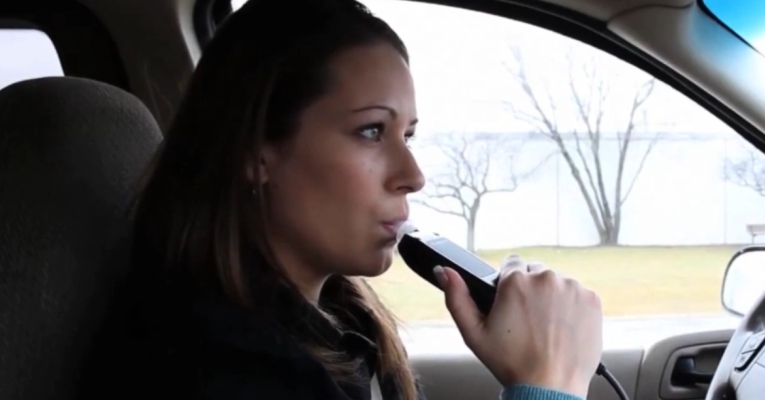
A handheld breathalyser is operated by a trained supervisor, OHS officer or fleet manager. Its portability makes it the right tool for dispersed workforces, pre-shift fleet driver checks and multi-site operations where flexibility matters.
The limitation is that results are linked to the operator's training record. If a test is challenged, the operator's competency becomes part of the evidentiary record. Your alcohol management policy should specify who is authorised to administer tests and what training that requires.
Wall-Mounted Devices
A fixed wall-mounted unit at a single entry point, whether a mine portal, warehouse gate or factory floor access, removes the operator from the equation entirely. Every person entering the site passes through the same test without a supervisor needing to be present. The device generates a timestamped, auditable log automatically.
The capital cost is higher and these units are not mobile, so they suit sites with one controlled access point rather than operations spread across multiple locations or with drivers working offsite.
The Australian Standard Your Device Must Meet
AS3547 is the Australian Standard for breath alcohol testing devices. A device certified to AS3547:2019 has been independently verified to meet accuracy, performance and calibration requirements suitable for professional use.
This matters practically. If you use a device without AS3547 certification and then attempt to discipline or dismiss an employee based on its result, that result can be challenged. A Safe Work Australia regulator or the Fair Work Commission is unlikely to accept a reading from an uncertified device as reliable evidence of impairment.
Certification is also not a one-time event. Most professional fuel cell devices require calibration every 6 to 12 months, or after a defined number of tests. A device outside its calibration window produces results that are equally vulnerable to challenge, regardless of original certification status. Keep calibration certificates on file and schedule service before the interval closes.
Which Device Suits Your Industry?
The table below maps common industry profiles to the right device type. Your specific risk level, workforce structure and policy requirements will inform the final decision.
| Industry | Risk Level | Recommended Device | Reason |
|---|---|---|---|
| Mining and resources | High | Fuel cell, wall-mounted | Zero-tolerance policy; legal admissibility required |
| Construction | High | Fuel cell, handheld | Site supervisors need portability across locations |
| Transport and logistics | High | Fuel cell, handheld | Pre-shift checks on dispersed fleet drivers |
| Healthcare | Medium | Fuel cell, handheld | Patient safety and duty-of-care obligations |
| Hospitality and retail | Low to medium | Semiconductor for welfare screening | Lower risk profile; not for disciplinary use |
In any industry where a failed test could lead to disciplinary action or a formal incident report, semiconductor devices are not suitable. The risk of a challenged result outweighs the cost saving.
Industries operating under a Chain of Responsibility obligation (heavy vehicle operators) or a specific Drug and Alcohol Management Plan requirement should also factor in that some regulators and insurers expect documented evidence of calibration and certification when reviewing testing records after a workplace incident.
Frequently Asked Questions
What is the Australian standard a workplace breathalyser must conform to?
Devices used for professional workplace testing should carry AS3547 certification. AS3547 is the Australian Standard for Breath Alcohol Testing Devices and covers the accuracy, performance and calibration requirements necessary for results to be defensible in disciplinary proceedings. Choosing a device without this certification leaves you exposed if a result is challenged by an employee or their representative.
How often do workplace breathalysers need calibrating?
Most professional fuel cell devices require calibration every 6 to 12 months, or after a defined number of tests, depending on the manufacturer. A device outside its calibration window does not produce defensible results, regardless of its original AS3547 status. Keep a calibration log, retain the service certificates and schedule recalibration before the interval lapses.
What is the difference between a breathalyser and an alcohol interlock?
A breathalyser is a standalone device used to test an individual at a specific point in time, such as a site gate or a pre-shift check. An alcohol interlock is fitted directly to a vehicle and prevents the engine starting if the driver records a positive breath reading. For employers managing fleet vehicles, both tools may be relevant: breathalysers for on-site screening and alcohol interlock programs for vehicles where a driver holds a court-ordered program requirement, or where your duty-of-care policy requires ongoing vehicle-level assurance. The two devices serve different purposes and should not be treated as interchangeable.
Talk to Our Team About Your Alcohol Management Program
Choosing the right device is the first step. For most commercial and fleet operators, the more useful question is whether a standalone breathalyser program is sufficient, or whether your vehicles also need alcohol interlocks in place.
If you manage a workforce where a failed test carries safety or legal consequences, contact our team. We work with mining operators, transport companies and fleet managers across Australia to design alcohol management programs that are fit for purpose and defensible. You can also find our service centre locations to confirm coverage in your state.