

A Queensland fleet can run two different legal alcohol limits on the same day, and the manager who signs the policy needs to know which vehicle sits under which. For trucks over 4.5 tonnes, articulated vehicles, buses (built or fitted to carry more than 12 adults, including the driver) and public passenger vehicles, the limit is zero for every licence holder. This guide from Affordable Interlock Systems sets out which limit applies in five sectors, how a workplace breath test differs from an interlock, and where a Queensland fleet alcohol interlock fits in a written policy.
Which Queensland alcohol limit applies to your vehicles
The Department of Transport and Main Roads says Queensland has four alcohol limits, and that the legal limit depends on the licence held or the vehicle being driven. Open licence holders are below 0.05 in most vehicles. The ‘no alcohol’ limit of 0.00 applies to all licence holders when they drive, or are in charge of, the vehicle types in the table below.
| Vehicle type | Limit | Sector it matters to |
|---|---|---|
| Truck (GVM over 4.5 t) | 0.00 | Transport, mining supply |
| Articulated vehicle | 0.00 | Transport and logistics |
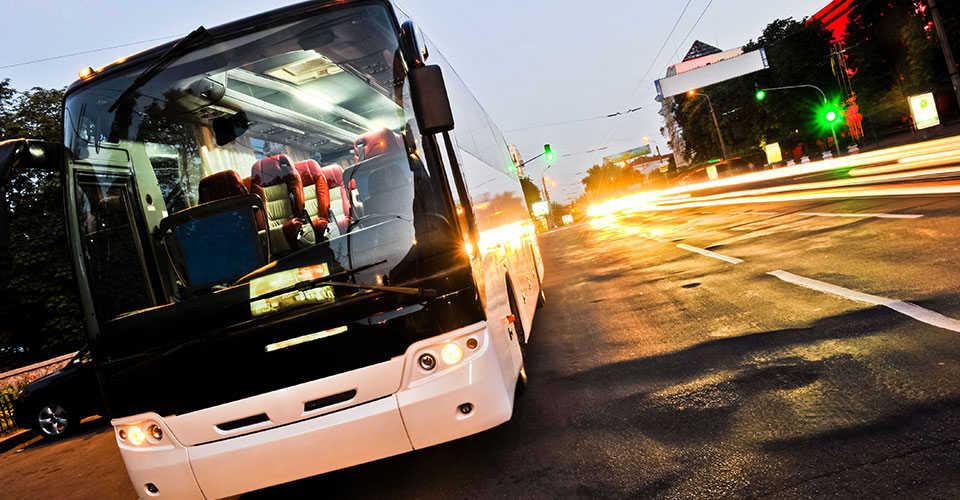
| Bus (built or fitted to carry more than 12 adults, including the driver) | 0.00 | Tourism, charter |
| Placard load of dangerous goods | 0.00 | Transport, resources |
| Taxi, limousine, public passenger | 0.00 | Tourism, ride-booking |
The same page lists more zero-limit cases, including tow trucks, escort vehicles for oversize loads, driver training vehicles and tractors. Check the list against each vehicle, because the limit follows the vehicle and the licence rather than the industry label on the business.
Breath testing and interlocks do different jobs
A workplace breath test is a screening step that the employer runs under its own policy. It happens at a point in time, such as the start of a shift, and a person acts on the result.
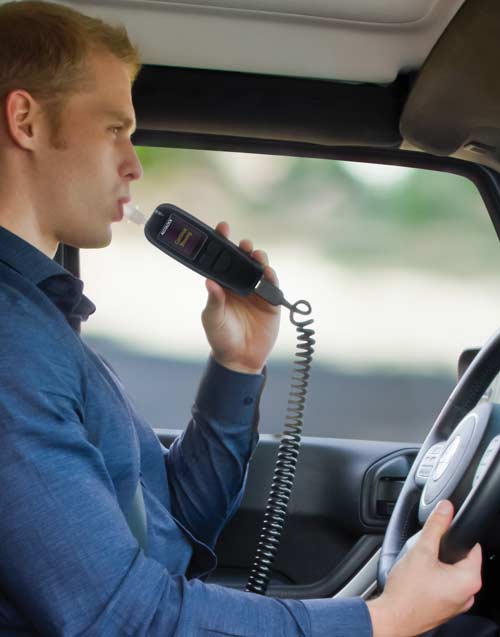
An interlock is a device fitted to a vehicle. The Queensland Government says alcohol ignition interlocks prevent a vehicle from starting if the driver has been drinking alcohol. It applies every time the vehicle is used, whether or not anyone is there to test. Neither replaces training or a written policy.
Mining and resources
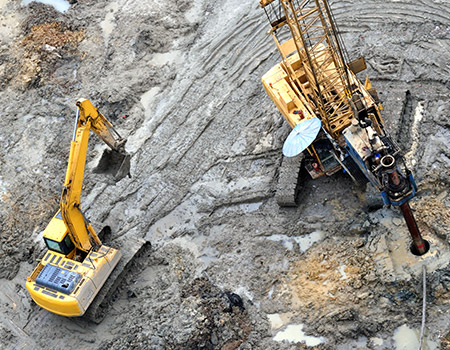
On a Queensland coal mine, the site safety and health management system is the main control. The Coal Mining Safety and Health Regulation 2017 says a person must not consume alcohol at a coal mine except in a designated accommodation building or recreation area (section 39). It also says a person must not carry out work, or enter a part of the mine where on-site activities happen, while under the influence of alcohol (section 40).
Section 41 requires the system to control alcohol risk, with an education program, an employee assistance program and fitness for work assessments. Those assessments include voluntary self-testing, random testing before starting work, and testing a person whom someone else reasonably suspects is under the influence.
Other mines and quarries fall under the Mining and Quarrying Safety and Health Regulation 2017. Section 84 says a person must not carry out operations at a mine if they are under the influence of alcohol, or impaired by a drug, to the extent it impairs or could impair their ability to work safely. Sections 85 to 87 deal with assessing each worker’s fitness level. A mining fleet can therefore be subject to a site rule and a road rule together.
Transport and logistics
Three of the zero-limit categories sit directly in this sector’s fleet: trucks over 4.5 tonnes GVM, articulated vehicles and vehicles carrying a placard load of dangerous goods. A mixed fleet can have drivers under different limits on the same day, so one plain standard for everyone is simpler to communicate.
Put all three in the same document: the written policy, where breath testing fits and where an interlock sits as a control alongside training.
This guide makes no statement about what heavy vehicle law requires of an operator. The National Heavy Vehicle Regulator describes the Chain of Responsibility as the part of the Heavy Vehicle National Law that makes parties other than drivers responsible for the safety of heavy vehicles on the road. That page is where an operator checks its own obligations, and a legal adviser can confirm how they apply.
Government fleets
State and local government fleets often run a wide mix of vehicles, from light cars to trucks, buses and specialised plant. The limit follows the licence and the vehicle in the same way as for a private operator, so a truck over 4.5 tonnes GVM is a zero-limit vehicle for an agency as for anyone else.
How workplace safety duties apply to a particular agency or council is a question for its own safety adviser.
Tourism and passenger transport
Buses built or fitted to carry more than 12 adults, including the driver, limousines and other vehicles used to provide a public passenger service are all zero-limit vehicles. The same page names a ride-booking driver on duty to accept bookings as an example.
The zero limit applies to all licence holders in these vehicles, so seasonal and contract drivers are covered from their first shift.
Commercial fleets and trades
Vans, utes and light trucks under 4.5 tonnes GVM sit under the general limit for open licence holders, unless another category applies, such as a placard load of dangerous goods. The Queensland Government page also puts learner, P1 and P2 provisional, probationary and restricted licence holders at 0.00, along with the other licence groups listed in the policy section below, so a fleet that employs apprentices should check each driver’s licence class.
A mixed commercial fleet can therefore hold both limits at once.
Where an interlock fits, and what a Queensland order means for a work vehicle
The Alcohol Ignition Interlock Program is run by the Department of Transport and Main Roads. It applies to drivers convicted of high-risk drink driving offences and is an individual requirement, not a fleet rule. The programme runs for a minimum of 12 months, made up of an 8-month learning period and a 4-month performance period.
For employers, the rule that matters most is in the exemptions guidance. An exemption will not be granted where an interlock cannot be installed for employment, educational or financial reasons. A restricted (work) licence granted by a court does not automatically exempt a person from installing an interlock either. This guide makes no statement about any individual driver’s licence position.
The pages we reviewed do not say whether an employer can require an interlock in a company vehicle, so we make no claim on that point. A fleet considering a device as a workplace control should treat it as a separate decision from the Queensland programme. Our guide to the Queensland alcohol interlock programme covers the individual side.
Building a fleet alcohol policy
Build a workable policy in sequence. Start with a risk assessment that maps which roles involve driving, which vehicles sit under the zero limit and where an incident would do the most harm.
Then put the policy in writing, built around the mixed-limit problem. Record each vehicle against its limit: 0.00 for a truck over 4.5 tonnes GVM, an articulated vehicle, a bus (built or fitted to carry more than 12 adults, including the driver), a placard load of dangerous goods or a public passenger vehicle, and below 0.05 for open licence holders in most other vehicles. Add a driver clause for the licence holders the Department of Transport and Main Roads puts at 0.00 in any vehicle: all learner, P1 and P2 provisional, probationary or restricted licence holders, regardless of age; all licence holders learning to drive the next higher class of licence; all class RE motorcycle licence holders for the first 12 months of holding their class RE motorcycle provisional, probationary, restricted or open licence; and all licence holders who have an interlock condition (code I) on their driver licence. Then set one standard that every driver can follow without checking a table, and name who signs off the classification when a vehicle is added or a driver changes role.
Finally, decide where a device belongs. Our commercial interlock systems page is a sensible next step once that decision has been made, and it does not replace the assessment that comes first.
FAQ
What is the alcohol limit for truck drivers in Queensland?
The limit is 0.00. The Department of Transport and Main Roads lists any motor vehicle with a GVM greater than 4.5 tonnes as a truck, and all licence holders driving one are under the ‘no alcohol’ limit.
Does a workplace breath test do the same job as an interlock?
No. A workplace breath test is a screening step run under the employer’s policy at a point in time. An interlock is fitted to the vehicle and prevents it from starting if the driver has been drinking.
Does a work licence exempt a driver from the Queensland interlock program?
Not automatically. A court-granted restricted (work) licence does not automatically exempt a person, and a court does not grant an exemption for employment reasons.
Managing alcohol risk in your Queensland fleet
Managing alcohol risk in a Queensland fleet starts with knowing which limit applies to each vehicle, moves through a written policy and testing approach, and only then reaches the question of a device. A device checks the driver at start-up. It does not set the limit that applies to each vehicle, run the risk assessment or carry the written policy, which are the other three parts of this guide.
If your business is working out where interlocks fit in a fleet alcohol policy, Affordable Interlock Systems can talk it through, and you can request a quote when you are ready. Please feel free to also call us on 1800 252 656.