

Under the WA Work Health and Safety Act 2020, employers carry a duty to manage all foreseeable health and safety risks. That duty applies to alcohol interlock conditions in the workplace too. When an employee holds a court-ordered WA interlock licence and drives as part of their role, the employer is part of the process. Western Australia's Road Traffic Act 1974 mandates interlock conditions for high blood alcohol content (BAC) offences, repeat drink driving and refusals to test. Affordable Interlock Systems began operating in Western Australia in May 2026, giving WA businesses access to an approved installation and servicing provider.
What Is the WA Alcohol Interlock Scheme?
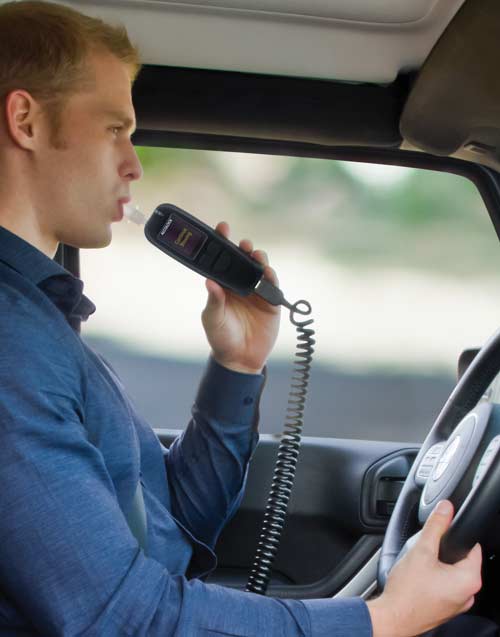
The WA Alcohol Interlock Scheme is a mandatory, user-pays program administered by Transport WA under the Road Traffic Act 1974. Participants must have an approved device installed on their nominated vehicle and cannot legally drive any other vehicle during the program. Servicing and data download are required every 30 days. For employers, the scheme becomes relevant when the vehicle nominated under the interlock licence is a company or fleet vehicle.
When Does an Alcohol Interlock Condition Affect an Employer in WA?
The employee drives a company or fleet vehicle
If an employee's interlock licence nominates a company vehicle, the device must be installed in that specific vehicle before the employee can legally drive it for work. The 30-day servicing cycle creates a monthly scheduling commitment: the vehicle must be presented to an approved WA provider each month for calibration and data download.
For an employer unfamiliar with the device category, the AIS guide on how alcohol interlock devices work covers the technology in plain terms before you arrange installation.
When an employee does not disclose the condition
There is no automatic notification from Transport WA to employers. Employees may disclose voluntarily, or an employer may learn of the condition through a motor vehicle records check. Under the WA Work Health and Safety (WHS) Act 2020, if an employer knows or should reasonably know that a driver poses a road safety risk, they are expected to act. Allowing an employee to continue fleet driving duties with a known, unaddressed interlock condition is a foreseeable risk the employer has not managed.
Employer Obligations Under the WA Work Health and Safety Act 2020
The WA WHS Act 2020 came into force on 31 March 2022, aligning Western Australia with national model WHS laws. Section 19 sets the primary duty of care: a person conducting a business or undertaking must ensure, so far as is reasonably practicable, the health and safety of their workers. Applied here, permitting an employee to drive a company vehicle without confirming a required interlock is installed and compliant is a foreseeable risk the employer has not addressed.
WorkSafe WA publishes a code of practice on managing the risks of alcohol and other drugs at work, which is the primary WA employer reference for building or reviewing a workplace alcohol policy.
Practical employer checklist
- Confirm the employee's licence status and any interlock condition directly with the employee.
- Determine whether the vehicle nominated under the interlock licence is a company vehicle.
- If yes, engage an approved WA interlock provider to arrange installation and establish a monthly servicing schedule.
- Document each step taken. A written record demonstrates the employer has addressed the known risk.
- Review the company's alcohol and drug policy to include a disclosure requirement for any licence condition affecting an employee's ability to drive safely for work.
FIFO Workers and the WA Interlock Scheme
Western Australia's Fly-In Fly-Out (FIFO) workforce adds a scheduling layer with no published employer guidance. A FIFO employee holding an interlock condition faces two constraints: the nominated vehicle must have the device installed, and the 30-day servicing cycle must be maintained regardless of roster location. On a two-weeks-on, one-week-off arrangement, that servicing window can fall entirely during an on-site rotation.
Employers managing FIFO rosters should work with an approved provider to schedule servicing during rest-and-recreation periods. Affordable Interlock Systems operates service centres in Perth and regional WA. The AIS service centres page lists current WA coverage, which supports employers scheduling around FIFO rotations.
Setting a WA Workplace Alcohol and Interlock Policy
A written policy is the practical instrument that protects both the employer and the employee. Key elements to include:
- Testing provisions for safety-critical roles (voluntary or mandatory)
- A clear requirement for employees to disclose any licence condition affecting their ability to perform driving duties
- The process for managing a disclosed interlock condition: vehicle nomination, servicing schedule and record-keeping
- Consequences for non-disclosure, treated as a conduct matter rather than an alcohol matter
WorkSafe WA's code of practice on managing the risks of alcohol and other drugs at work is the foundation document for any WA employer reviewing or building a workplace alcohol policy. Reference it alongside your company's existing driver licence check procedures.
Frequently Asked Questions
Can an employee with an interlock condition drive a company vehicle in WA?
Yes. Provided the interlock device is installed in that specific vehicle and the vehicle is nominated on the employee's interlock licence. Arrange installation through an approved WA provider before the employee uses the vehicle for any work driving.
Is an employer required to facilitate interlock installation on a company vehicle?
If the employee's role requires them to drive a company vehicle, and that vehicle is nominated under the interlock condition, the employer is expected to facilitate installation. Allowing the employee to drive the fleet vehicle without the required device is a work health and safety risk that has not been addressed.
What happens if an employee does not disclose an interlock condition?
Non-disclosure is a conduct matter. A policy requiring employees to disclose any licence condition affecting safety-critical duties gives employers a clear basis to act. An employee who drives a company vehicle under an interlock condition without the device installed also faces serious criminal penalties under the Road Traffic Act 1974.
How does the monthly WA interlock servicing work for a fleet vehicle?
The device must be presented to an approved provider every 30 days for calibration and data download. For a fleet vehicle, the employer and employee need to schedule a monthly appointment at an approved WA service centre. The appointment typically takes under an hour. Affordable Interlock Systems operates service centres in Perth and regional WA to support fleet operators with this scheduling.
Is there a WA government resource on workplace alcohol and drug management?
Yes. WorkSafe WA publishes a code of practice on managing the risks of alcohol and other drugs at work. This is the primary reference for WA employers building or reviewing a workplace alcohol and drug policy.
WA employers who manage staff with interlock conditions have a clear path: confirm the condition, nominate the vehicle if required, engage an approved provider and document the process. Affordable Interlock Systems is an approved interlock provider in Western Australia, offering installation and monthly servicing for personal participants and commercial fleet operators. Running a WA fleet with an employee on an interlock condition? Contact us to discuss a managed fleet account.