

Alcohol Interlocks: How They Work to Make Australian Roads Safer
Even with decades of strict enforcement, drink driving remains a persistent danger on our roads, contributing to about 30% of traffic fatalities across Australia. While most of us are familiar with random breath tests, there is another powerful technology actively working to prevent these incidents before they can even happen—the alcohol interlock.
This guide explains how these smart devices function as a physical safety barrier. We will explore their crucial role for both mandated drivers and professional fleets, and show how they are a key part of the ongoing effort to make Australian roads safer for everyone.
Understanding Alcohol Interlocks
You have likely heard the term, but what exactly is an alcohol interlock? It is much more than just a breathalyser for your car.
A Three-Part Safety System
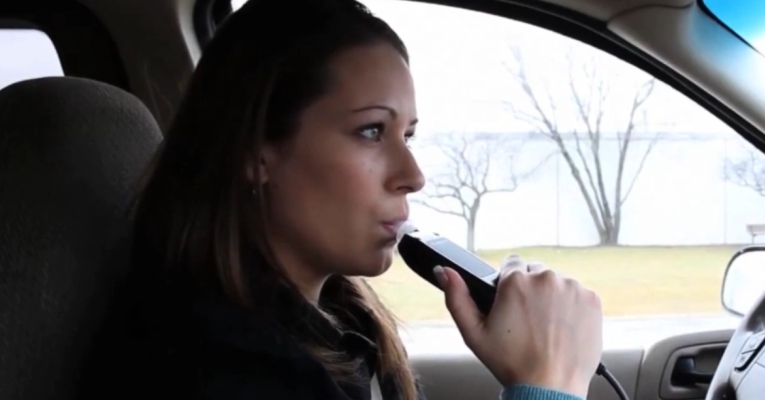
Think of it as a complete vehicle immobilisation system, with three key parts working together. There is the handset that you blow into, a small camera to verify who is providing the sample, and the system's brain—an Electronic Control Unit, or ECU.
How It Physically Stops Your Car
This ECU is professionally wired by a technician to act as a smart gatekeeper on the electrical circuit between your ignition and the starter motor. When you provide a clean breath sample, the gate opens, the signal passes through, and your car starts. If alcohol is detected, the gate stays shut, the system physically interrupts the signal, and the engine simply will not crank.
Technology You Can Trust
To ensure fairness and accuracy, every approved interlock in Australia uses an advanced fuel cell sensor. This technology is highly specific to ethanol, meaning it is not fooled by other substances like cigarette smoke or mints, giving you a reliable and legally defensible reading every time.
Why Alcohol Interlocks Matter
The introduction of Random Breath Testing (RBT) was a revolutionary step for road safety in Australia. But as technology evolved, so did the approach to preventing drink driving.
The Next Step After RBT
RBT is a powerful system of "General Deterrence." It works by creating a credible threat of being caught, which influences the entire driving population. An alcohol interlock, however, represents the next logical step of "Specific Prevention."
Instead of a threat, alcohol interlocks are a physical barrier applied directly to a high-risk driver to make a repeat offence physically impossible.
The Proof Is in the Numbers
But does this targeted approach actually work? The evidence is undeniable. A comprehensive evaluation of the NSW interlock program found that it reduces the rate of reoffending by up to 86% while the device is installed.
This proves it is one of the most effective road safety tools available.
Changing Habits for Safer Roads
The goal isn't just to stop a single trip. By requiring a sober breath sample every time, the technology helps to form a new lasting habit of completely separating the act of drinking from the act of driving.
Alcohol Interlock Laws in Australia
Following the success of early programs, a unified approach has emerged across the country. Today, every state and territory in Australia has a mandatory alcohol interlock program as a key part of its road safety laws.
While the specific rules are managed by state-based transport bodies like Transport for NSW, Queensland's TMR, and VicRoads, the core principles are consistent nationwide.
Targeting the Highest Risk
So, who do these laws actually apply to? The programs are not for everyone. They are specifically designed to manage drivers who have been identified as posing the highest risk to the community.
This typically includes anyone convicted of a serious, high-range drink driving offence. The laws also apply to individuals who have committed more than one drink driving offence in a five-year period, commonly known as repeat offenders.
For these drivers, successfully completing an interlock program is a non-negotiable part of their licensing standards before they can return to driving without restrictions.
Commercial Interlocks and Industry Standards
The use of alcohol interlocks extends far beyond the legal system. For many Australian businesses, especially in the transport, construction, and mining sectors, voluntarily fitting their fleet with commercial interlocks has become a new standard in workplace safety.
This proactive approach applies to everything from heavy vehicles and buses to a sales team's company cars.
Meeting Your Legal "Duty of Care"
So, why is this becoming so common? It comes down to a business's legal Duty of Care and the strict Chain of Responsibility (CoR) laws. These rules mean that a company can be held liable for the actions of its drivers.
A voluntary interlock program is one of the most powerful steps a business can take to prove it has managed this risk. With thousands of heavy vehicle drivers charged with drink or drug driving in every year and a strict zero (0.00) BAC limit for all professional drivers, the need for a technological guarantee is clear.
Advanced Features for Modern Fleets
Modern commercial interlocks also offer features designed specifically for fleet management. Some systems can even be integrated with a vehicle’s telematics. This means a fleet manager can receive an instant SMS or email alert if a driver fails a breath test, allowing for real-time intervention and support.
Alcohol Interlock Services and Accessibility
So, how do you actually get an interlock installed? In Australia, the system is delivered through a partnership between national, government-accredited providers and a network of local certified technicians.
A Nationwide Network of Experts
This model ensures that whether you are in a major city or a regional town, you have access to a trained professional for your installation and regular servicing. National providers like Affordable Interlocks manage the program's administration and compliance, while partnering with trusted local workshops that provide the hands-on technical expertise.
This ensures a consistent, high-quality service across the country.
The Compliance Process, Handled for You
A key part of the service is the secure management of your compliance data. Every test, pass, and failed attempt is securely recorded by the device.
At each monthly service, the technician downloads this encrypted log, and the provider then generates a formal report and transmits it directly to the relevant state authority. This professional reporting chain is a crucial part of the program, providing the official proof of your progress.
A Safer Future on Australian Roads
Ultimately, alcohol interlocks are a proactive technology that keeps everyone on the road safe. For a mandated driver, the program provides a structured path back to driving responsibly. For a business, a commercial interlock is a powerful tool to protect your employees and meet your legal obligations.
The safer roads we all share today are a direct result of strong laws, public education, and smart innovation. Accessible technology, like the modern alcohol interlock, remains a central part of that ongoing success story, protecting communities across Australia every single day. Contact us today to learn more about our alcohol interlock solutions for your business or personal usage.