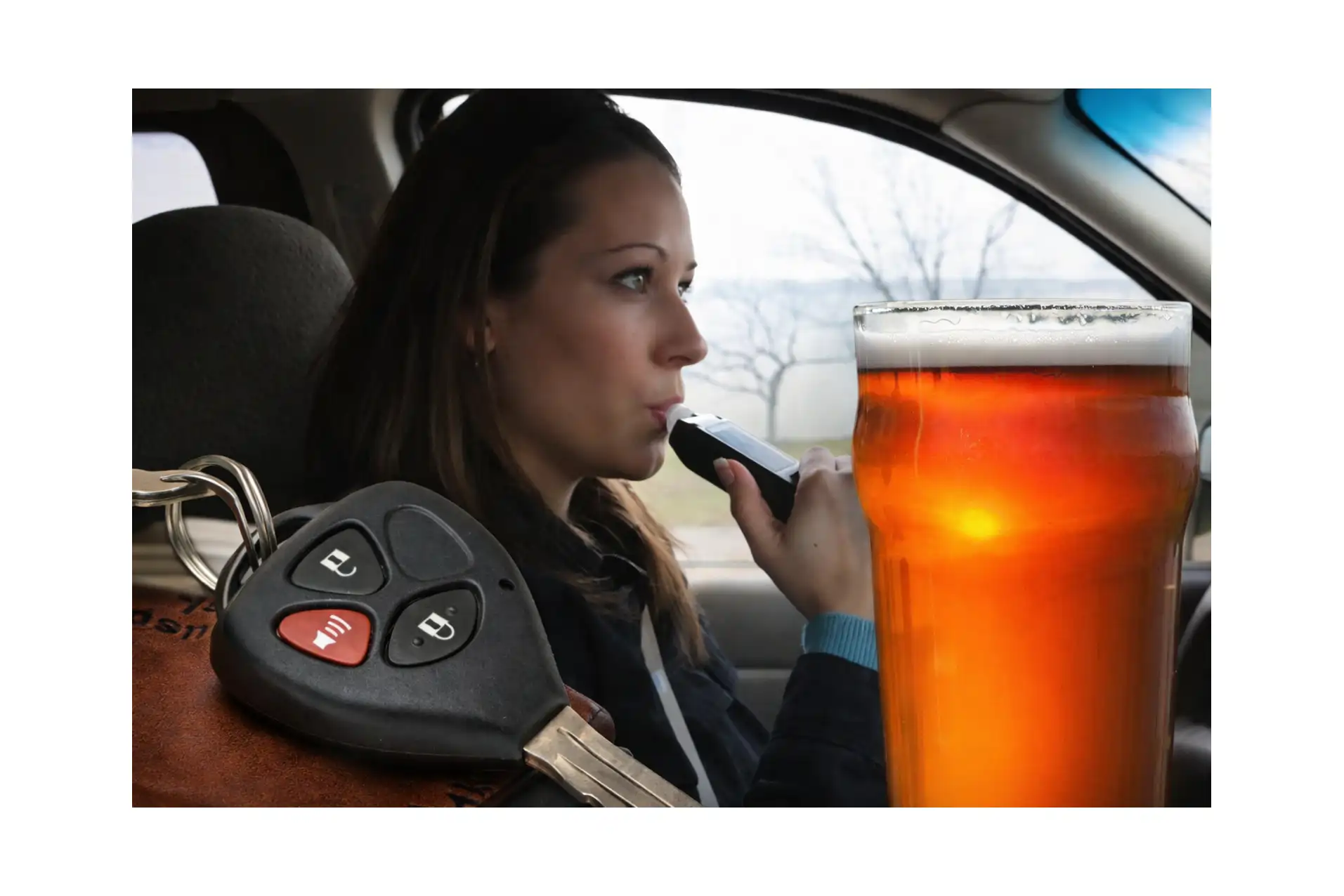


In the rapidly evolving landscape of 2026, the Australian corporate world is facing a paradigm shift in how it defines safety on the road. For decades, fleet management was dominated by two metrics; fuel efficiency and vehicle maintenance. Today, a third, more critical pillar has emerged, behavioral integrity.
For Fleet Managers, HR Directors, and Work Health and Safety (WHS) Officers, the conversation has moved beyond mere compliance. It is no longer enough to have a signed "Drug and Alcohol Policy" tucked away in a digital employee handbook. As legal precedents and insurance requirements tighten, the implementation of commercial alcohol interlock systems has transitioned from a niche requirement for high-risk offenders to a proactive necessity for corporate risk management.
The Rationale: Duty of Care in 2026
Under current Australian WHS laws, an employer’s Duty of Care is an active, non-delegable obligation. This duty extends to ensuring that all work-related activities, including the operation of company - owned or leased vehicles - are conducted in a manner that eliminates or minimises risks to health and safety "so far as is reasonably practicable."
In 2026, the "reasonably practicable" standard has been redefined by technology. When a preventative tool like an alcohol interlock system exists and is readily available, courts and regulators are increasingly asking, “If the technology was available to stop a drunk driver from starting the engine, why wasn't it used?” Importantly, if driving during work hours or to complete the tasks required of your role, the vehicle is seen as an extension of the workplace, or a workplace in its own right. This is why alcohol interlock systems are a critical tool in WHS compliance for employers, across multiple industry sectors.
From Reactive to Proactive
Historically, many businesses relied on "Random Breath Testing" (RBT) or post-incident testing. These are reactive measures - they catch a problem after it has already entered the workplace or, worse, after an accident has occurred. Installing an alcohol interlock system represents the ultimate Active Control. It provides a technological "gatekeeper" that ensures a driver is fit for work before the ignition can even be engaged. In the eyes of an insurer or a WorkSafe inspector, this is the difference between a company that "hopes" its drivers are sober and a company that ‘guarantees’ it.
Four Key Elements of Modern Fleet Management
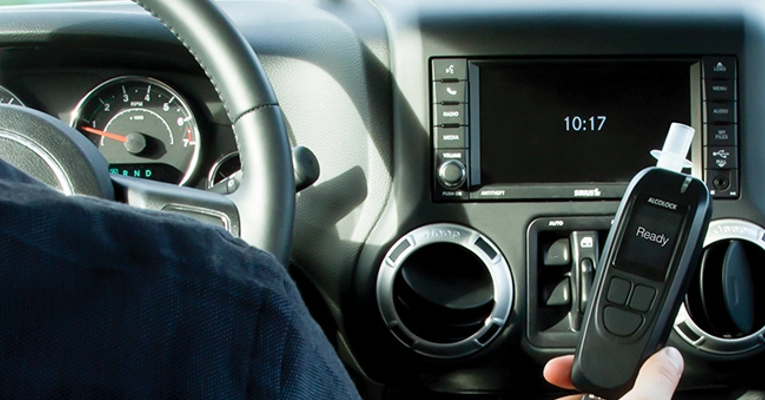
The 2026 generation of interlock systems is a far cry from the clunky devices of the past. Today, they are sophisticated nodes in a company’s digital ecosystem. Affordable Interlock Systems focuses on four key elements that transform a breathalyser into a management powerhouse:
-
1. Automated Breathalyser Gatekeeping
The greatest weakness in any safety policy is human error. Manual testing is subject to bias, scheduling gaps, and the logistical impossibility of testing every driver, every day. Automated interlocks remove the human element entirely. By making every single start a sobriety test, the system ensures 100% compliance, 100% of the time.
-
2. Telematics and Real-Time Reporting
In a modern fleet, data is currency. Our alcohol interlock systems sync directly with your existing fleet management software. This means that if a driver attempts to start a vehicle with alcohol in their system, an alert is sent in real-time to the Fleet Manager or HR department. This allows for immediate intervention, potentially preventing a tired or "residual alcohol" driver from continuing their shift.
-
3. Identity Verification (Camera ID)
One of the historical concerns with interlock devices was "circumvention"—the idea that a passenger or bystander could blow into the device for the driver. In 2026, integrated Camera ID technology has rendered this impossible. Small, non-intrusive cameras capture a high-resolution image of the person providing the sample. This ensures that the person behind the wheel is the person who passed the test, providing an airtight layer of accountability
-
4. Audit-Ready Compliance)
When it comes time for insurance renewals or an ISO safety audit, documentation is everything. Our systems maintain comprehensive data logs of every breath test, including the time, location, and Blood Alcohol Content (BAC) reading. This historical record serves as an invaluable asset during legal proceedings or safety reviews, proving that the organization has gone above and beyond to fulfill its Duty of Care.
Sector Application: Why It Matters
Different industries face different levels of scrutiny and risk. Here is how alcohol interlock systems are being deployed across four critical Australian sectors:
Mining & Resources (WA/QLD)
In the remote, high-pressure environments of the Pilbara or th Layout e Bowen Basin, the margin for error is zero. Operating multi-million dollar heavy haulage machinery or high-voltage mobile plants requires absolute adherence to a zero-blood alcohol level. A single alcohol-related incident on a mine site can lead to total site shutdowns, massive financial losses and potentially the loss of life. For these companies, interlocks are the frontline of a "Zero-Harm" site culture, providing a non-negotiable barrier between alcohol and heavy machinery.
Logistics and Transport (National)
The transport industry is the backbone of the Australian economy, but it is also one of the most scrutinized. Long-haul drivers often operate in the 'grey zone’ of residual alcohol - where they feel fine for a 5:00 AM start, but are still over the limit from the previous night's dinner. Interlocks protect the driver and the company from the hangover effect, ensuring that the brand’s reputation for safety remains intact across every kilometre of the Bruce, Princes or Pacific Highways.
Tourism and Passenger Transport
When a business is responsible for the lives of the public -particularly children on school buses or tourists on regional coaches - the Duty of Care is at its highest possible peak. Public trust is fragile; a single headline about a drink-driving bus driver can destroy a tourism business overnight. Interlocks provide a ‘Safety Seal of Approval’ that operators can proudly display to their clients, proving that passenger safety is their primary investment. This news story highlights the ability for a driver to cause mass casualties if driving impaired; highlighting the need for a 0 BAC/or with 0 percentage of illicit drugs in your system when driving commercially.
Construction and Infrastructure
Modern construction sites are dense, high-viz environments where mobile plants, cranes, and heavy vehicles operate in close proximity to ground crews and the general public. In 2026, Tier-1 contractors are mandating that any vehicle or plant equipment entering a site must be fitted with an interlock. It is a baseline requirement for entry, ensuring that every operator on a high-viz site is 100% fit for work.
Creating a ‘Safe Harbour’ for Directors and Officers
In the event of a catastrophic road incident, the investigation doesn't stop at the driver. Authorities will look at the Directorship of the company. Under modern industrial manslaughter laws in various Australian states, directors can be held personally liable if it is proven that the company’s safety systems were grossly inadequate.
By implementing a commercial alcohol interlock program, directors can demonstrate to a court that they moved beyond paper-based safety programs and invested in the most effective, technologically advanced preventative measure available. It is the ultimate insurance policy for your reputation and your freedom.
Setting the Standards
As we navigate the complexities of 2026, the question for Australian fleet owners is no longer “Should we install interlocks?” but rather “How quickly can we roll them out?”
At Affordable Interlock Systems, we believe that every Australian worker deserves to get home safely, and every business owner deserves the peace of mind that their fleet is being operated with the highest level of integrity. Investing in an alcohol interlock system isn't just about catching a "bad apple"; it’s about setting a gold standard for fleet safety that protects your people, your brand, and your future. Our commercial fleet solutions provide both employers and employees safety when it comes to workplace safety. Contact us today to learn more about our commercial fleet solutions.